
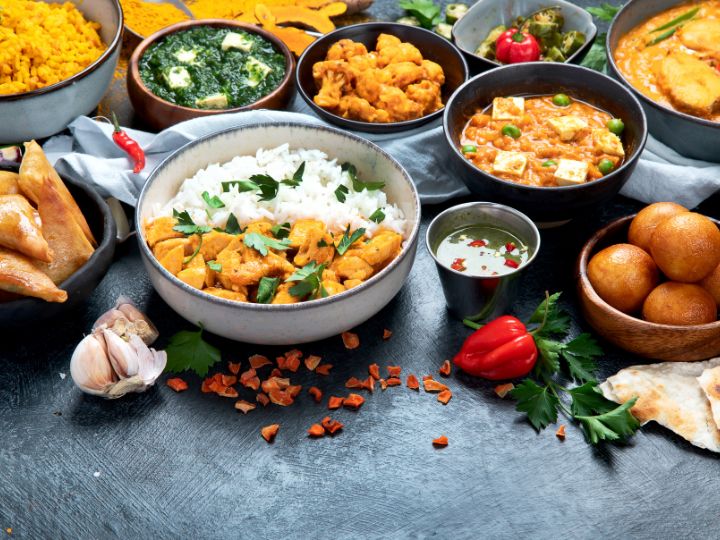
When we think of India, a kaleidoscope of vibrant colours, bustling markets, and a wide variety of aromatic spices often comes to mind. But did you know that the heart of India’s enchanting culture is also found in its diverse and mouthwatering cuisine? Indian food is like a treasure chest filled with a fascinating array of flavours, ingredients, and cooking techniques that have evolved over centuries.
From the northern plains to the coastal shores, and from the arid deserts to the lush hills, each region of India has contributed its own unique ingredients and cooking styles to create a culinary mosaic that is as rich and varied as the country itself. Therefore, if you haven’t yet, it is time to explore Indian cuisine.
One of the best ways to experience the richness of Indian cuisine is by visiting a fine-dine restaurant that specialises in Indian food. If you are in Sydney, Australia, you can easily find top restaurants near you that serve authentic Indian cuisine. For example, you can search for “best Indian fine dining near me” or “Indian restaurant Norwest” to find some of the best Indian restaurants in the area.
When you visit an Indian restaurant, you will be greeted with a menu that is full of delicious and exotic dishes. Some of the most popular dishes include butter chicken, biryani, tandoori chicken, and samosas. Each dish has its own unique flavour and is made with a blend of spices that are carefully selected to create the perfect balance of taste and aroma.
In this blog, we will find out the various aspects of diversity and richness of Indian cuisine. So let’s get started.
The Wide Array of Indian Spices
One of the things that make Indian cuisine so unique is the use of spices. Indian food is known for its bold and complex flavours, which are achieved by using a variety of spices such as cumin, coriander, turmeric, and cardamom. These spices not only add flavour to the food but also have many health benefits. For example, turmeric is known for its anti-inflammatory properties, while cumin is believed to aid digestion.
Different Cooking Techniques
Another aspect of Indian cuisine that is worth exploring is the different cooking techniques that are used. For example, tandoori cooking involves marinating meat in a blend of spices and then cooking it in a clay oven called a tandoor. This technique gives the meat a smoky flavour and a crispy texture. Similarly, biryani is a rice dish that is cooked with meat or vegetables and a blend of spices. The rice is cooked separately from the meat or vegetables and then layered together to create a flavourful and aromatic dish.
Indian Side Dishes and Desserts
Indian cuisine also offers a variety of side dishes and desserts. For example, naan bread is a popular side dish that is often served with curries. It is made by baking dough in a tandoor oven and is soft and fluffy. Desserts such as gulab jamun and rasgulla are made with milk and sugar and are often served at special occasions such as weddings and festivals.
Diverse Indian Regional Cuisines
Each region of India has its own distinct culinary traditions and ingredients, resulting in a tremendously varied cuisine. Here are some additional points to elaborate on the diversity of Indian cuisine:
1. North Indian cuisine:
North Indian cuisine is known for its rich and creamy curries, tandoori dishes, and kebabs. The cuisine is heavily influenced by Mughal cuisine, which was introduced to India during the Mughal Empire. Some popular dishes from North India include butter chicken, chicken tikka masala, and naan bread.
2. South Indian cuisine:
South Indian cuisine is known for its spicy and tangy flavours. The cuisine is heavily influenced by the use of coconut, curry leaves, and tamarind. Some popular dishes from South India include dosa, idli, and sambar.
3. East Indian cuisine:
East Indian cuisine is known for its use of mustard oil and fish. The cuisine is heavily influenced by Bengali cuisine, which is known for its use of mustard seeds and poppy seeds. Some popular dishes from East India include fish curry, chingri malai curry, and rasgulla.
4. West Indian cuisine:
West Indian cuisine is known for its use of coconut, peanuts, and seafood. The cuisine is heavily influenced by Gujarati cuisine, which is known for its use of sweet and sour flavours. Some popular dishes from West India include vada pav, pav bhaji, and dhokla.
5. Street food:
Indian street food is a popular and affordable way to experience the diversity of Indian cuisine. Some popular street foods include chaat, samosas, and vada pav.
6. Vegetarian cuisine:
Indian cuisine is known for its wide range of vegetarian dishes. Many Indians follow a vegetarian diet due to religious or cultural reasons. Moreover, as India is abundant with fertile land and suitable weather for agriculture, even non-vegetarians eat vegetarian food more often. Some popular vegetarian dishes include chana masala, palak paneer, and aloo gobi.
With each region having its own distinct culinary traditions and ingredients, Indian food is very diverse. From the rich and creamy curries of North India to the spicy and tangy flavours of South India, there is something for everyone in Indian cuisine. Whether you are a meat lover or a vegetarian, there are plenty of dishes to explore and enjoy.
So, if you are looking for a top restaurant near you in NSW, Australia, that serves authentic Indian food, be sure to search for “Indian restaurant Norwest” or “best Indian fine dining near me” and visit Jheel. Reserve your table now for an unforgettable dining experience!.


