
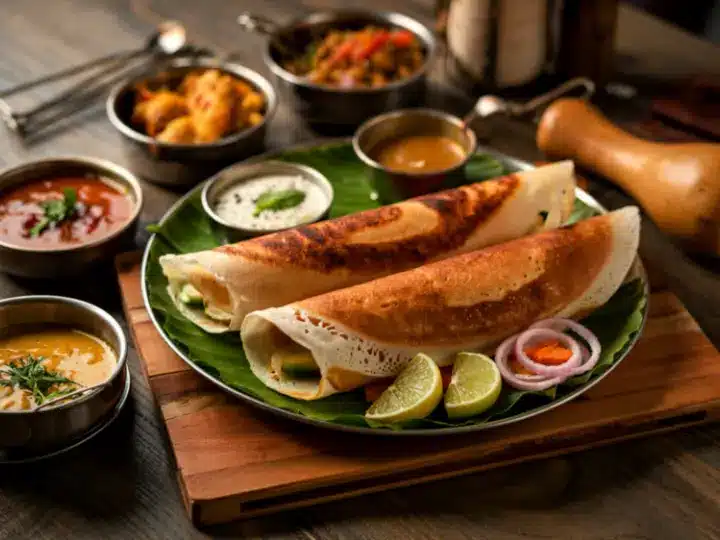
When people search for the best Indian restaurant near me, they often expect rich curries or heavy dishes. But South Indian cuisine surprises many first-time diners. The food is lighter, often fermented, and built around rice, lentils, and fresh spices. That combination gives it a taste that is both comforting and deeply satisfying.
At restaurants serving authentic Indian cuisine, South Indian dishes are often among the most popular because they are filling without feeling too heavy.
The Importance of Rice-Based Dishes
Rice is at the heart of South Indian cooking. In fact, many of the dishes people recognise immediately are made primarily from rice or rice batter.
Dosa, for example, is made from fermented rice and lentil batter that is spread thin on a hot griddle until it becomes crisp and golden. It is usually served with sambar (a lentil-based vegetable stew) and a variety of chutneys.
Another well-known dish is idli. These are soft steamed cakes made from the same fermented batter as dosa, but instead of being crisp, they are light and fluffy. Idlis are often eaten for breakfast but are enjoyed throughout the day.
These dishes highlight one of the key qualities of South Indian food: fermentation. Fermented batter not only improves flavour but also makes the food easier to digest.
For diners looking for a lighter option when visiting an Indian restaurant near me, dishes like dosa or idli are often a great choice.
The Role of Coconut in South Indian Cooking
Coconut is one of the most distinctive ingredients used in South Indian cuisine. Because many parts of South India lie along the coastline, coconut trees grow in abundance and have naturally become part of everyday cooking.
It is used in several ways. Fresh grated coconut is added to vegetable dishes, ground coconut forms the base of chutneys, and coconut milk is often used in curries to create a mild, creamy texture.
Coconut chutney is perhaps the most familiar example. Made from fresh coconut, green chillies, ginger, and spices, it provides a cooling balance to spicy dishes like dosa or vada.
In Kerala-style cooking especially, coconut oil and coconut milk are used regularly. They give the food a distinctive aroma and depth of flavour that is different from North Indian curries.
This reliance on coconut is one of the reasons South Indian food feels lighter and fresher compared to other styles of Indian cuisine.
Why Lentils Are Widely Used
Lentils are another essential part of South Indian cooking. They appear in many forms, from thick stews to crispy snacks.
Sambar is a great example. It is a lentil-based stew cooked with vegetables that can include drumsticks, pumpkin, carrots, and tomatoes. Tamarind adds a slightly tangy taste, while spices like mustard seeds and curry leaves give it warmth and aroma.
Lentils are also used in dishes like vada. Medu vada, for instance, is a savoury fried snack made from ground lentils. It has a crisp exterior and soft centre and is usually served with sambar and chutney.
Apart from flavour, lentils also add nutrition. They provide protein, fibre, and energy, which is why they form such a large part of daily meals across South India.
The Balance of Flavours
One of the things that makes South Indian cuisine so satisfying is the way different flavours appear together on the plate.
A typical meal might include rice, sambar, a vegetable dish, chutney, and sometimes rasam, a thin tangy soup made with tamarind and spices. Each dish plays a different role.
Sambar adds warmth and depth. Rasam brings sharp, tangy notes. Coconut chutney cools the palate. Vegetable sides add texture and freshness.
Instead of focusing on a single heavy dish, the meal is designed to create balance. This is why many people who try South Indian food find it surprisingly comforting.
For diners searching online for the best Indian restaurant near me, exploring South Indian dishes can introduce a completely different side of Indian food culture.
A Cuisine Built on Simplicity
Another interesting aspect of South Indian cooking is that many dishes use simple ingredients but rely on technique to build flavour.
Tempering, for example, is a common method where spices such as mustard seeds, curry leaves, and dried chillies are briefly fried in oil or ghee before being added to a dish. This small step transforms the aroma of the entire meal.
Similarly, fermentation and slow cooking allow flavours to develop naturally without needing heavy sauces or cream.
Because of this, the cuisine often feels both traditional and wholesome at the same time.
What Makes South Indian Cuisine Different?
South Indian cuisine shows how simple ingredients can create deeply satisfying food when tradition and technique come together. If you’re looking to experience this side of Indian cuisine, Jheel brings these classic flavours to the table in a way that feels both authentic and comforting.
Do You Want to Explore Authentic Indian Cuisine?
Next time you search for an Indian restaurant near me, make sure Jheel is on your list.
FAQs
What ingredients are commonly used in South Indian cuisine?
Common ingredients include rice, lentils, coconut, curry leaves, mustard seeds, tamarind, and a variety of spices. These ingredients form the base of many dishes such as dosa, idli, sambar, and chutneys.
What role does coconut play in South Indian cooking?
Coconut is widely used in South Indian cuisine in the form of grated coconut, coconut milk, and coconut oil. It adds richness and mild sweetness to dishes while also balancing spicy flavours.
Why are lentils widely used in South Indian cooking?
Lentils are a staple ingredient because they provide protein and texture to many dishes. They are used in stews like sambar, snacks like vada, and in fermented batter for dosa and idli.


