
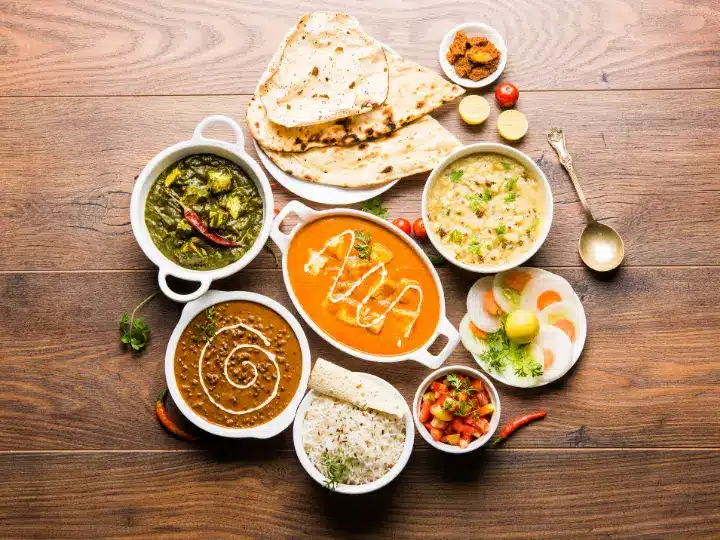
Indian food is often loved for its bold flavours, warm spices and comforting meals. But beyond the taste, one of the biggest reasons it continues to be cherished across cultures is how naturally balanced it can be. Many Indian dishes are built around lentils, vegetables, herbs, yoghurt, whole spices and slow cooking methods that bring out both flavour and nourishment.
The same plate that feels comforting can also support digestion, provide protein and deliver essential nutrients without feeling dull or restrictive. And that’s what makes the cuisine special at an Indian restaurant in Norwest. Let’s learn more on howIndian food often brings together taste and wellness in the same bowl.
Spices That Do More Than Add Flavour
One of the biggest strengths of Indian food lies in its spices. Ingredients like turmeric, cumin, ginger, coriander, fennel, cinnamon and cardamom are not just there for aroma. They are widely known for supporting digestion, reducing inflammation and helping the body process meals more comfortably.
Turmeric, for example, is often valued for its anti-inflammatory properties. Ginger can help soothe the stomach. Cumin supports digestion after heavier meals.
So when a curry tastes rich and warming, it’s often because the spices are working on both flavour and function.
Lentils and Pulses Bring Plant Protein
Indian food makes excellent use of lentils, chickpeas, kidney beans and other pulses. Dishes like dal, chana masala, rajma and sambar are rich in plant protein and fibre, which help keep meals filling and satisfying.
These ingredients support:
- Better digestion
- Longer-lasting fullness
- Stable energy
- Better gut health
And because they’re cooked with tomatoes, onions and spices, they taste deeply satisfying without needing heavy sauces.
A Cuisine Rich in Vegetables
A big reason Indian food feels nourishing is the sheer amount of vegetables used across dishes. Spinach, cauliflower, potatoes, okra, peas, eggplant, pumpkin, carrots and beans all appear regularly in curries, dry sabzis, rice dishes and snacks.
Many meals naturally combine:
- Leafy greens
- Fibre-rich vegetables
- Protein-rich pulses
- Whole grains
This gives the cuisine a natural nutritional balance. At any popular Indian restaurant, it’s common to see menus filled with vegetable-based options that feel both hearty and wholesome.
Fermented Foods Support Gut Health
Indian cuisine also includes several fermented foods that support digestion and gut health. Dosa batter, idli batter, yoghurt, chaas and some pickled accompaniments naturally bring beneficial bacteria into the diet.
These foods may help:
- Improve digestion
- Support gut bacteria
- Make nutrients easier to absorb
- Feel lighter on the stomach
This is one reason many people feel satisfied after Indian meals rather than sluggish.
Balanced Meals by Design
A traditional Indian meal is often naturally balanced. A single plate may include:
- Rice or roti for carbohydrates
- Dal or curry for protein
- Sabzi for fibre
- Yoghurt for cooling and digestion
- Pickles or chutneys for flavour contrast
This balance makes meals complete without needing complicated planning. The structure itself supports steady energy and satiety.
Slow Cooking Improves Flavour and Digestion
Many Indian dishes rely on slow cooking. Curries simmer gently. Lentils soften over time. Spices bloom in oil before ingredients are added. This slower method not only deepens flavour but also makes many ingredients easier to digest.
And that is important. Slow-cooked food often feels more comforting because the ingredients have had time to soften, blend and develop naturally.
Fresh Herbs Add More Than Aroma
Fresh coriander, mint, curry leaves and green chillies often appear as finishing touches. These ingredients brighten the meal while also bringing vitamins and digestive support.
Mint, for instance, adds freshness and can soothe the stomach. Curry leaves bring antioxidants. Coriander adds freshness without heaviness.
These small additions may seem simple, but they help complete the meal nutritionally and flavour-wise.
Indian Food Can Be Healthy Even When It Feels Indulgent
One of the best things about Indian food is that it often feels truly comforting. A tandoori dish can be high in protein and low in oil. A dal can be rich and wholesome while still being plant-based. Even curries can be balanced when paired thoughtfully with rice or bread.
But the key is how the dish is made. Fresh ingredients, balanced portions and traditional methods often make all the difference. That’s why meals at a trusted Indian restaurant Norwest can feel both satisfying and nourishing.
Why It Keeps People Coming Back
People often return to Indian food because it feeds more than hunger. It offers warmth, comfort, spice, nourishment and satisfaction in one experience. The ingredients work together in a way that feels natural to the body, which makes the cuisine easy to crave again.
And when food tastes good and feels good after eating, it naturally becomes a favourite.
If you are looking up, best Indian restaurant near me, explore the flavourful side of wellness at Jheel Restaurant, where every plate of Indian food brings together comfort, freshness and naturally nourishing ingredients.
FAQs
What are the most popular Indian curries?
Butter chicken, paneer butter masala, dal makhani, korma, rogan josh and chana masala are among the most loved Indian curries in Sydney.
What are the most eaten vegetables in India?
Potatoes, onions, tomatoes, cauliflower, spinach, okra, peas and eggplant are some of the most commonly eaten vegetables.
What is the most common meat in India?
Chicken is the most commonly eaten meat in India, followed by mutton and fish in many regions.


