
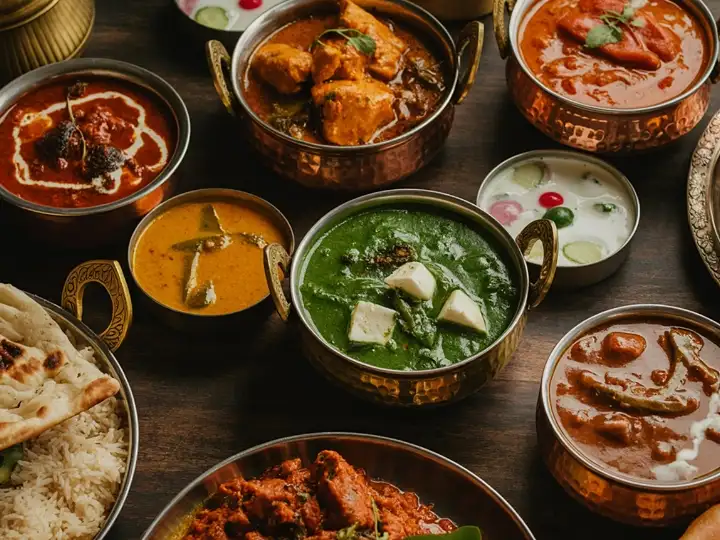
Traditional Indian cuisine doesn’t try to impress with one bold flavour. It builds slowly, quietly and then stays with you long after the meal is over. The warmth of spices, the softness of slow-cooked ingredients, the balance between richness and lightness, everything feels intentional.
And that’s what often surprises people. A meal that looks simple on the surface carries layers of technique underneath.
In Sydney, where food trends come and go, Indian cuisine holds its ground because it doesn’t depend on trends. It depends on method, patience and understanding of ingredients. That’s exactly why diners exploring restaurants in Norwest often return to it not just for taste, but for how it feels after eating.
It’s Not Just Spice; It’s How Flavour Is Built
A common mistake is thinking Indian food is all about spice. It isn’t. It’s about how flavour is built over time.
Take a basic curry. It doesn’t start as a curry.
First, oil or ghee warms up gently. Whole spices go in not for heat, but for aroma. You hear them crackle. That’s the point where flavour begins. Then onions are added, slowly cooked until they soften and turn slightly sweet. Ginger and garlic follow, bringing sharpness that later settles. Tomatoes or yoghurt come in next, balancing everything with acidity or creaminess.
At no point is anything rushed.
That’s why the final dish doesn’t taste like separate ingredients. It tastes unified, well integrated and delicious with a complex flavour profile.
Therefore, when this process is done right, the food doesn’t hit you all at once. It builds as you eat.
Regional Variety Keeps the Cuisine Alive
Indian cuisine is not fixed. It shifts with geography, climate and culture.
In the north, you’ll find richer gravies, breads like naan and roti and dishes that rely on slow cooking. In the south, meals lean lighter rice-based, often with coconut, tamarind, and sharper notes. Western regions bring in sweetness alongside spice, while eastern cooking often stays subtle, using mustard and fresh greens.
This isn’t variety for the sake of variety. It’s an adaptation.
That’s why menus never feel repetitive. When browsing Indian restaurants in Norwest, it’s common to see a mix of styles, creamy curries sitting alongside lighter, tangy dishes. That contrast keeps the experience interesting, even for regular diners.
Vegetarian Food That Feels Complete, Not Limited
One of the strongest aspects of Indian cuisine is how it treats vegetarian food. It doesn’t frame it as an alternative. It builds entire meals around it.
Lentils are slow-cooked until soft and rich. Chickpeas are simmered in spiced gravies that feel hearty, not light. Paneer absorbs flavour without losing texture. Vegetables are cooked in ways that bring out their natural depth rather than masking it.
A bowl of dal with rice isn’t “simple food.” It’s balanced, filling and satisfying in a way that doesn’t rely on excess.
This is why vegetarian dishes here don’t feel like compromises. They feel complete.
Spices Have a Role Beyond Taste
Spices in Indian cooking aren’t random additions. Each one has a purpose.
Turmeric adds warmth and depth. Ginger helps with digestion. Cumin balances heavier elements. Coriander brings a fresh note that cuts through richness.
But more importantly, it’s how these spices are handled that matters.
They are not dumped in. They are layered, timed and often roasted before use. That’s what changes their character from sharp to warm, from raw to rounded.
Why Roasting Spices Changes Everything
Roasting or tempering spices is one of those small steps that makes a big difference.
When spices hit hot oil, they release their essential oils. The aroma deepens. The sharp edges soften. The flavour becomes fuller.
Without this step, spices taste flat or slightly bitter. With it, they carry the dish.
It’s a detail that might go unnoticed, but it’s one of the reasons Indian food feels complete rather than one-dimensional.
A Meal That’s Naturally Balanced
Traditional Indian meals are not assembled randomly. There’s a quiet structure behind them.
A typical plate might include rice or roti, a dal or curry, a vegetable dish, yoghurt and something sharp like a pickle or chutney.
Each part plays a role. The carbs give energy. The lentils or dairy provide protein. Vegetables bring fibre. Yoghurt cools the palate. The pickle sharpens everything.
You don’t need to plan for balance; it’s already there.
Why It Works So Well in Sydney
Sydney diners expect variety, but they also expect consistency. That’s where Indian cuisine fits in easily.
It offers:
- Familiar dishes that people trust
- Enough variety to keep things interesting
- Meals that suit both casual and formal settings
When people look through restaurants in Norwest, Indian options often stand out because they feel reliable. The flavours are consistent. The portions are satisfying. The experience feels complete.
And that reliability matters.
It Feels Comforting Without Being Overwhelming
This might be the most important reason Indian cuisine stays popular.
It feels rich but not heavy.
It fills you but doesn’t slow you down.
It comforts but doesn’t become repetitive.
That balance is hard to achieve. And once people experience it, they tend to return to it without thinking twice.
Traditional Indian cuisine stands out because it respects both flavour and process. It doesn’t rush cooking, it doesn’t rely on shortcuts, and it doesn’t overwhelm with a single element. Everything is built with intention.
That’s what gives it depth. That’s what gives it balance. And that’s what keeps it relevant in a place like Sydney, where people have endless choices.
Visit Jheel Restaurant to Experience Traditional India Cuisine at its Best
Experience the depth, balance, and warmth of authentic Indian cuisine at Jheel Restaurant, where every dish is prepared with care and true to its roots.
FAQs
What makes Indian cuisine so flavourful compared to other cuisines?
It uses layered cooking techniques and roasted spices, which build depth over time rather than relying on one dominant flavour.
How do vegetarian dishes in Indian cuisine stay so satisfying?
They use lentils, grains, vegetables and dairy in ways that create texture, balance and fullness.
What are some popular vegetarian options in Indian cuisine?
Dal, chana masala, palak paneer, vegetable korma and aloo gobi are among the most widely enjoyed dishes.
Why are spices roasted before being added to dishes?
Roasting releases essential oils, improves aroma and deepens flavour, making the dish more balanced and rich.


